A Daikin air conditioner is a trusted investment in comfort, especially in Australia’s diverse climate — from Melbourne’s frosty winters to Brisbane’s steamy summers. But even the most advanced cooling system needs routine care to perform at its best. Regular maintenance not only ensures energy efficiency but also extends the lifespan of your unit and keeps your indoor air quality top-notch. Whether you own a split system, ducted unit, or multi-split setup, here’s how to maintain your Daikin system like a pro.
Why Regular Maintenance Matters
Routine upkeep of your Daikin air conditioner can mean the difference between consistent cooling and unexpected breakdowns. Australian households often face extreme weather conditions, leading to heavy reliance on air conditioning systems. Without proper maintenance, dust, pollen, and salt air (especially in coastal areas) can clog filters and reduce efficiency.
Beyond performance, regular servicing helps:
- Reduce electricity bills by improving energy efficiency
- Prevent costly emergency repairs
- Maintain cleaner, healthier indoor air
- Comply with Daikin’s warranty requirements
Clean or Replace Air Filters Every 2–4 Weeks
Air filters are the first line of defence against airborne particles. In Australia, where bushfire smoke, coastal humidity, or red dust storms can affect air quality, filters in a Daikin air conditioner should be cleaned more frequently than in other regions. For typical residential use, aim for a cleaning schedule every two to four weeks, especially during peak seasons.
To clean your filters:
- Switch off the unit and remove the front panel.
- Slide out the filters and vacuum or wash them gently with lukewarm water.
- Let them dry completely before reinserting.
If your Daikin unit uses disposable filters or has an air purification system like Daikin’s Streamer technology, consult your manual or service technician for replacement guidelines.
Keep Outdoor Units Clear and Clean
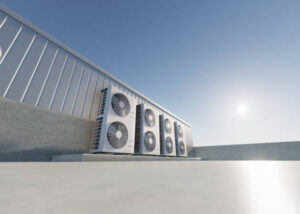
The outdoor unit, or condenser, plays a crucial role in your Daikin air conditioner’s cooling process. Over time, it can accumulate leaves, twigs, or even spider webs — especially common in suburban and rural Australian homes. Obstructions can hinder airflow and reduce efficiency.
Here’s how to care for it:
- Clear away plants, debris, and obstructions within a one-meter radius
- Wash the unit’s exterior with a hose (while the unit is off) to remove dirt and salt buildup
- Check for signs of corrosion if you live near the coast — salt can be damaging.
Avoid placing outdoor furniture or other structures too close to the unit. Proper airflow is vital for optimal performance.
Inspect and Clean Indoor Components
It’s easy to overlook the indoor unit, but it also benefits from a detailed inspection every few months. Dust buildup on the air outlet, sensors, or vanes can affect airflow and cooling accuracy. Use a soft, dry cloth to gently wipe the surfaces. Avoid harsh detergents or spraying water inside the unit.
If your Daikin air conditioner has smart features like Wi-Fi control, make sure the app and firmware are regularly updated. Daikin’s smart controllers can also send maintenance alerts, helping you stay ahead of potential issues.
Schedule Annual Professional Servicing
Even if you’re diligent with basic upkeep, it’s critical to have your system professionally serviced at least once a year. In many parts of Australia, spring is ideal for scheduling a service, just before the summer heat arrives.
A certified Daikin technician will:
- Perform deep cleaning of coils and internal components
- Test refrigerant levels and check for leaks
- Inspect electrical connections and thermostat calibration
- Ensure the system complies with Australian safety standards.
If your system is used year-round for both cooling and heating, consider scheduling two services annually — one before summer and another before winter.
Check and Maintain Your Drainage
Blocked or slow condensate drains can cause water leakage or damage to your walls and ceilings. This issue is particularly common in humid Australian climates like Queensland or Northern NSW. During your routine checks, ensure the drain pan and pipe are clear of mould and blockages. If you notice pooling water or unusual moisture, call a technician promptly.
Use Energy-Efficient Settings
Lastly, smarter use of your Daikin air conditioner can also reduce wear and tear. Set temperatures between 22–24°C in summer and 18–20°C in winter for optimal energy usage. Utilise programmable timers, motion sensors, and economy modes available in many modern Daikin units.
Final Thoughts
Maintaining your Daikin air conditioner is not just about comfort—it’s about efficiency, savings, and reliability. With Australia’s climate extremes, proper care is essential to keep your system performing at its peak year after year. By combining DIY maintenance with professional servicing, you ensure a healthier home environment and protect your investment for the long haul.
Whether you’re in Sydney’s inner suburbs or on the sunny Gold Coast, keeping your Daikin system in top shape will keep you cool (or warm) no matter what the forecast says.